Earrings for Sensitive Ears: A Practical Guide
Sensitive ears can make earring shopping feel uncertain. A pair may look comfortable but still cause warmth, itching or redness after wear. Because reactions differ from person to person, no material can be guaranteed suitable for everyone. The most useful approach is to understand the complete construction of an earring and pay attention to how your skin responds.
This guide is general information, not medical advice. If irritation is severe, persistent or linked to a new piercing, stop wearing the jewellery and speak with a qualified professional.
Why do some earrings irritate ears?
Metal sensitivity is one possible cause, with nickel being a common concern. Irritation can also come from friction, pressure, an unhealed piercing, product build-up or wearing a heavy earring for too long. Even a material you have worn before may feel different when the post, closure or finish changes.
That is why broad labels such as “gold colour” are not enough. Look for the base metal, surface finish and post material in the product specification.
Which materials should you look for?
925 sterling silver and certain grades of stainless steel are commonly used in jewellery, but individual sensitivity still varies. Gold plating describes the outer finish, not necessarily the metal underneath. A sterling-silver piece can be gold plated; another design may use stainless steel as its base.
Read the exact details rather than assuming every item in a collection has identical construction. GOVAVI explains its terminology in the materials guide, and individual product pages remain the final reference.
Does gold plating prevent a reaction?
Not automatically. A plated layer separates the skin from the base metal while the finish remains intact, but plating can wear at high-contact points over time. Posts, hinges and earring backs may also use different components from the decorative front.
If you know you react to a particular metal, look for clear information about every skin-contact area and ask before purchasing when details are unclear.
Fit and weight matter too
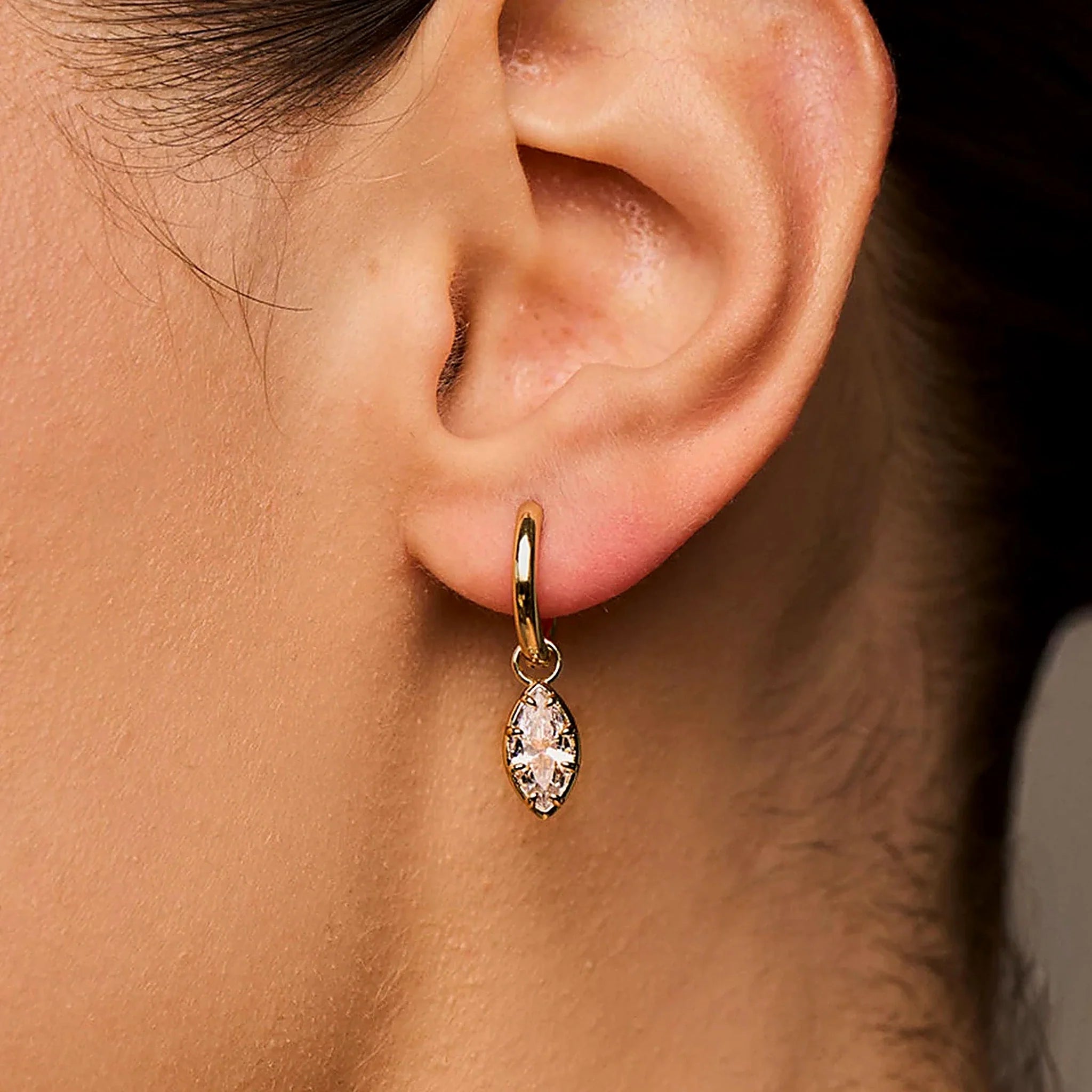
A tight huggie can press on the lobe even when its material suits you. A heavy drop can pull on the piercing. Check inner diameter, post length and overall dimensions, and choose the lightest option that gives you the look you want.
Closures should sit securely without squeezing. If an earring begins to feel uncomfortable during the day, remove it rather than waiting for visible irritation.
Good habits before and after wear
- Only wear earrings in fully healed piercings unless a piercer has advised otherwise.
- Wash and dry your hands before handling posts and backs.
- Keep fragrance, hairspray and skincare away from the piercing area.
- Clean jewellery using the method recommended for its materials.
- Store pairs dry and separately rather than loose in a bathroom.
- Do not share earrings.
Avoid harsh disinfectants on plated or stone-set jewellery unless the product guidance specifically recommends them. Strong chemicals can damage a finish without making the jewellery safer for your skin.
How to test a new pair thoughtfully
If you have a history of mild sensitivity and have been medically advised that wearing earrings is appropriate, begin with a short period at home. Choose a simple, lightweight pair and check how your ears feel. Do not use a home test to override a known allergy or previous medical advice.
Keep the packaging and material information so you can identify what worked or caused a problem. Over time, this creates a more useful personal reference than generic claims.
Are huggies suitable for sensitive ears?
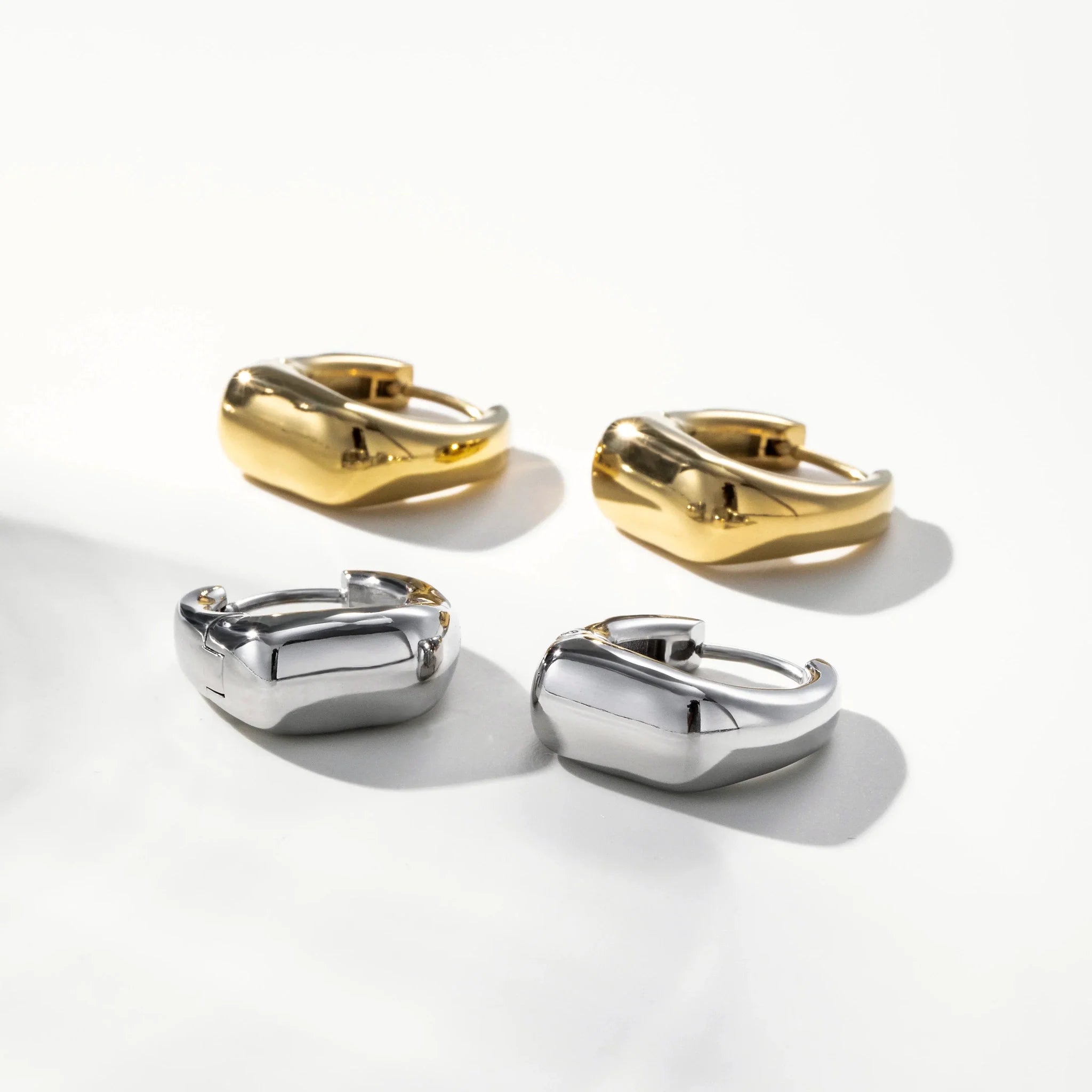
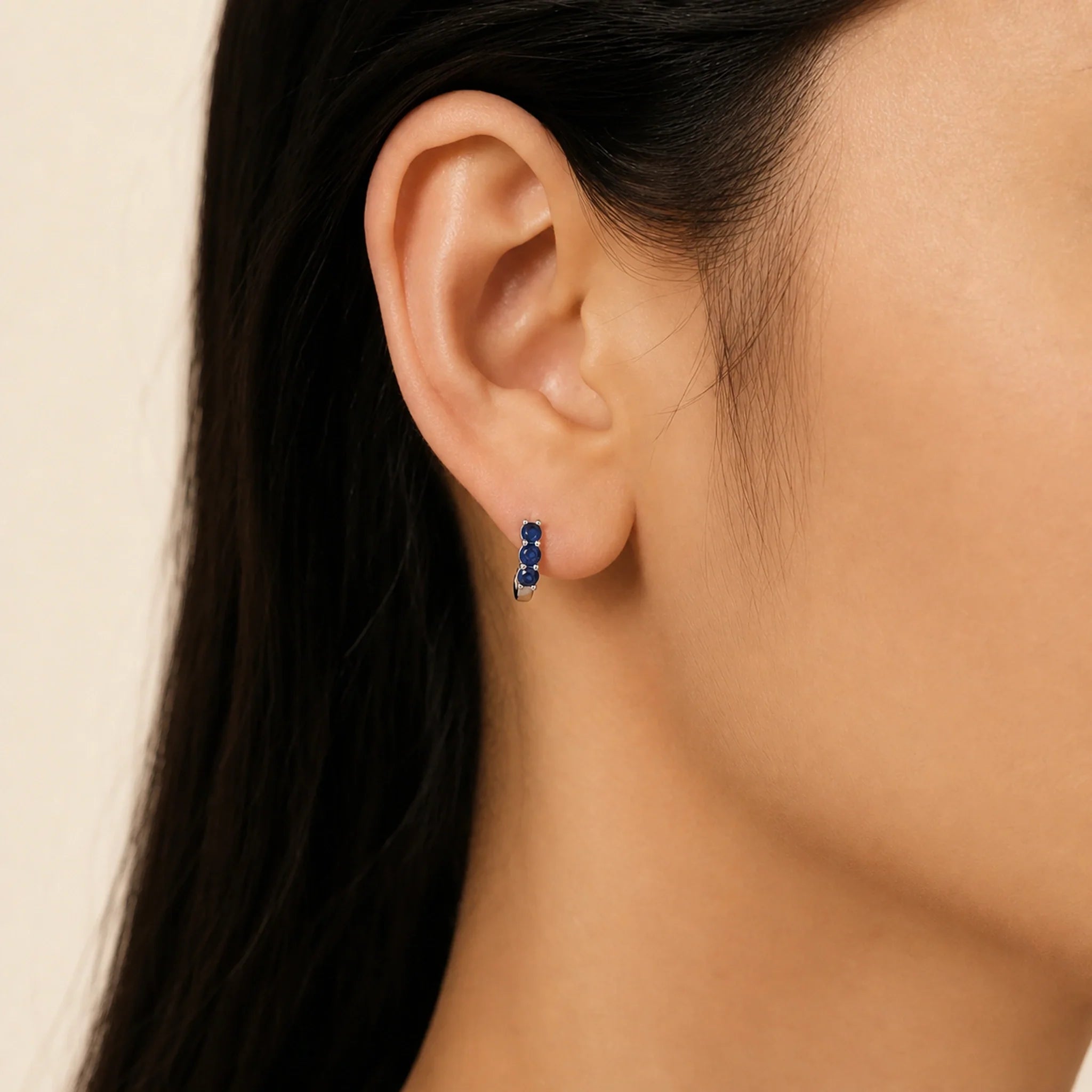
They can be comfortable because their compact shape reduces movement, but the fit must allow enough room around the lobe. A close hoop that pinches can irritate through pressure. Use our huggie fit and size guide to understand which measurements to compare.
Browse GOVAVI earrings by design, then check the product page for its precise materials and dimensions before deciding.
When should you stop wearing an earring?
Remove the earring if you notice increasing pain, swelling, heat, discharge or persistent redness. Do not force jewellery through a sore or closing piercing. A pharmacist, clinician or professional piercer can help determine the appropriate next step.
Quick checklist
- Is the base metal clearly stated?
- Is the post or skin-contact material explained?
- Will the diameter and weight suit your piercing?
- Can you follow the care instructions?
- Does the returns policy allow a suitable decision for pierced jewellery?
Choosing earrings for sensitive ears is less about chasing one perfect label and more about clear specifications, comfortable proportions and an honest understanding of your own skin.

Leave a comment
This site is protected by hCaptcha and the hCaptcha Privacy Policy and Terms of Service apply.