How to Clean and Store Jewellery at Home
Good jewellery care begins before anything looks dull. A short wipe after wear, dry storage and separation between pieces prevent many of the problems that lead people to over-clean jewellery later.
There is no universal method for every material. Sterling silver, plated finishes, pearls and stone-set pieces need different levels of contact with water, pressure and polishing. Start by identifying the complete construction of the piece.
Set up a simple care kit
Keep the essentials together:
- a clean, soft, lint-free cloth;
- a jewellery box or pouches with separate compartments;
- a soft brush only for pieces whose care instructions allow it;
- the product's material and care information.
Avoid building a collection of strong cleaners unless you know exactly which materials they suit. More cleaning power is not automatically better.
Before cleaning: identify the most delicate element
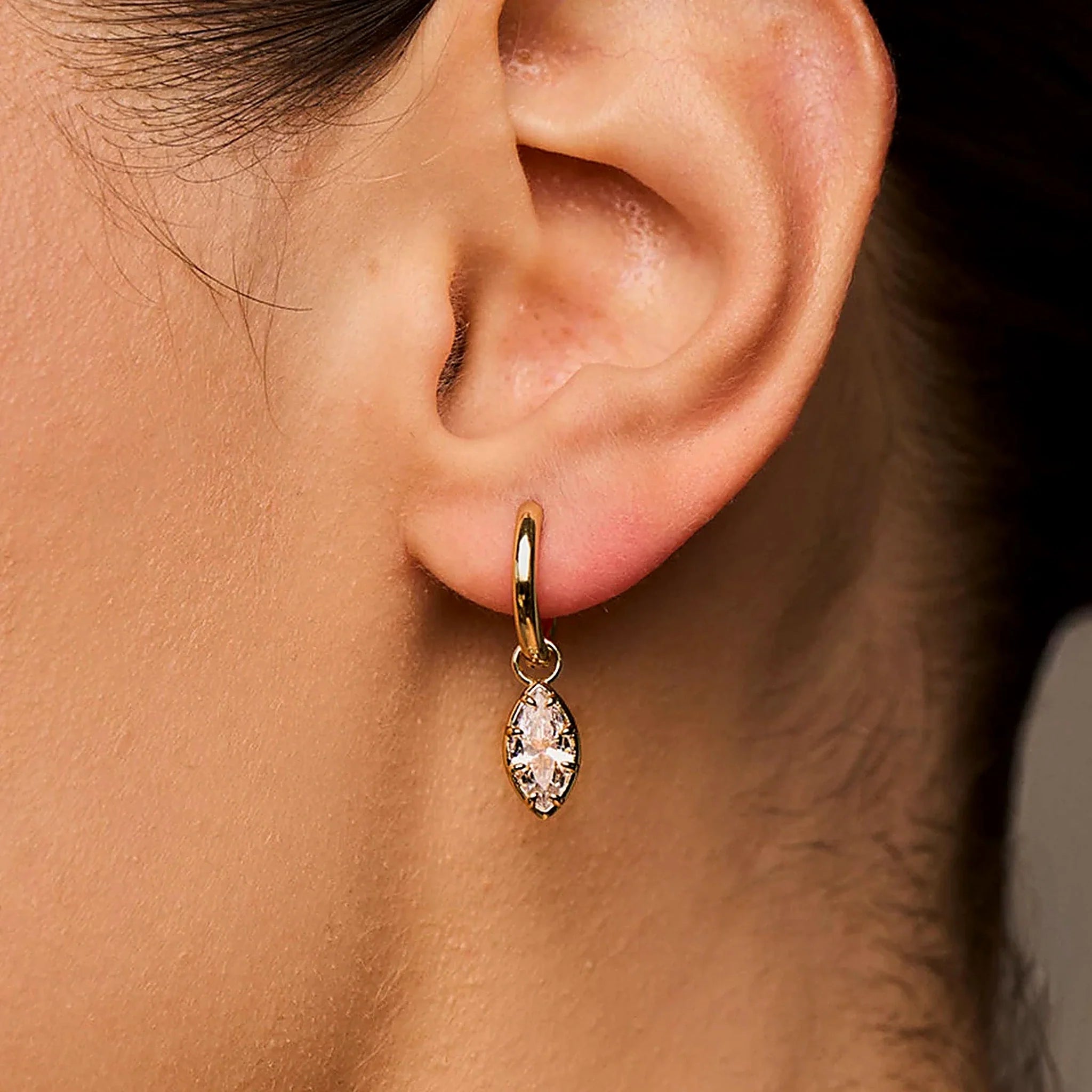
A sterling-silver chain with a pearl pendant should be treated as a pearl piece, not as plain silver. A gold-plated earring with cubic zirconia should be cleaned in a way that protects the plating and setting. When several materials are present, the most delicate component determines the method.
Check the product page and our materials guide. If the construction is unknown, use only a gentle dry wipe or ask a professional jeweller.
Cleaning plain sterling silver
Plain, unplated sterling silver can often be refreshed with a silver-polishing cloth used lightly. Support delicate chains and do not pull while polishing. Tarnish is a surface reaction and may transfer as dark residue onto the cloth.
Do not assume this method is suitable for plated silver, oxidised finishes, pearls or every stone setting. A polishing cloth can be mildly abrasive and may remove intentional surface treatments.
Cleaning gold-plated jewellery
Use a clean, dry, very soft cloth with minimal pressure. Avoid metal polish, toothpaste, baking soda and abrasive pads. Friction is one of the main factors that changes a plated surface, so vigorous polishing is counterproductive.
For a full routine, read how to care for gold-plated jewellery.
Cleaning pearls
Pearls have a delicate surface. Wipe them gently after wear and keep perfume, hairspray and cosmetics away. Do not soak pearl jewellery, and avoid ultrasonic cleaners unless a qualified jeweller has assessed the piece.
Store pearls where they will not rub against harder stones or metal edges. Their surface can be marked even when the surrounding jewellery appears smooth.
Cleaning stone-set jewellery
Clear stones often lose brightness because of oil and product residue. Begin with a soft dry cloth. If the care instructions permit a damp clean, use minimal moisture and dry the piece thoroughly. Do not push pins under stones or scrub claws aggressively.
If a stone moves, catches fabric or sits unevenly, stop wearing the piece and have the setting checked. Cleaning cannot repair loose metalwork.
What to remove before wear
Prevention reduces cleaning:
- Apply perfume, lotion, sunscreen and hairspray before jewellery.
- Remove pieces before showering, swimming and exercise.
- Take jewellery off before using household cleaners.
- Avoid sleeping in delicate chains, hoops and stone settings.
If jewellery becomes wet, pat it dry and allow it to air-dry completely before storage.
How to store necklaces without tangling
Close the clasp, then store the chain flat or hang it from a dedicated hook. Keep pendants supported so their weight does not pull on a fine chain. Do not place multiple necklaces in one pouch unless each has its own compartment.
For wearing several pieces together, see our guide to layering necklaces with less tangling.
How to store earrings
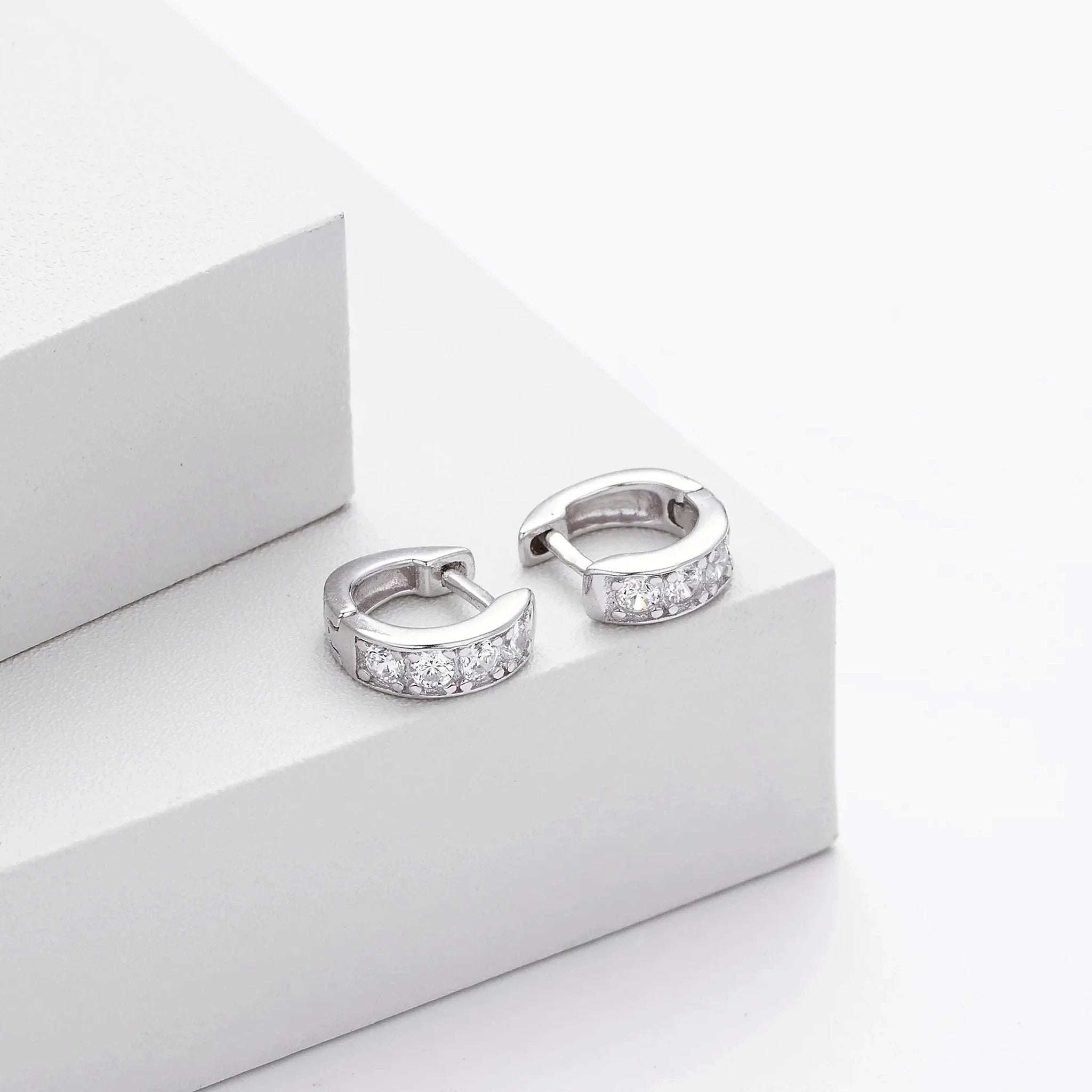
Fasten pairs so fronts and backs stay together without pressure on posts. Keep stone-set surfaces from touching polished metal. Compact huggies should be closed gently before storage, but never forced if the mechanism is misaligned.
Where not to store jewellery
A bathroom is convenient but usually humid. Windowsills bring heat and direct light. Handbags and open trays expose pieces to friction, cosmetics and dust. Choose a stable, dry location away from products and temperature changes.
When to use a professional jeweller
Ask for professional help when a clasp is unreliable, plating needs assessment, a stone is loose, a chain is sharply kinked or the correct cleaning method is uncertain. Stop before a small issue becomes structural damage.
A five-minute weekly routine
- Return loose pieces to separate compartments.
- Wipe frequently worn jewellery with a soft cloth.
- Check clasps, posts and stone settings under good light.
- Untangle chains while knots are still loose.
- Review any piece that has changed colour, fit or security.
The complete GOVAVI jewellery care guide should be your reference for current product guidance. A gentle routine will not stop normal wear, but it will help jewellery age more gracefully and remain ready to wear.

Leave a comment
This site is protected by hCaptcha and the hCaptcha Privacy Policy and Terms of Service apply.