What Is Cubic Zirconia? A Jewellery Guide
Cubic zirconia, often shortened to CZ, is a laboratory-created material used to bring clear, precise sparkle to jewellery. It can be cut into many shapes and sizes, which makes it especially suited to small pavé details, solitaire drops and statement clusters.
CZ is not a type of diamond, and good product information should not present it as one. Its appeal is different: it offers a bright, polished look and broad design flexibility at an accessible price.
What is cubic zirconia made from?
Cubic zirconia is the crystalline form of zirconium dioxide produced for jewellery and other uses. The controlled process creates a transparent material that can be cut and polished to reflect light. It can also be made in different colours.
Do not confuse cubic zirconia with zircon. Natural zircon is a separate gemstone with a different composition and origin.
Is cubic zirconia a diamond?
No. Diamond and cubic zirconia have different chemical, physical and optical properties. They can both create a bright, clear appearance in jewellery, but they should be described accurately.
When shopping, look for the material name rather than relying on words such as “diamond-like” or “brilliant”. GOVAVI identifies cubic zirconia in individual product details and explains broader terminology in the materials guide.
What makes CZ jewellery look refined?
The stone is only part of the result. Cut, proportion, polish and setting all affect how the jewellery catches light. Very large clear stones can look more dramatic, while smaller precisely arranged stones often give a subtler effect.
The metalwork matters just as much. Check whether the setting looks even, whether the claws or beads are consistent and whether the design protects the stone edges during normal wear.
Popular CZ earring styles
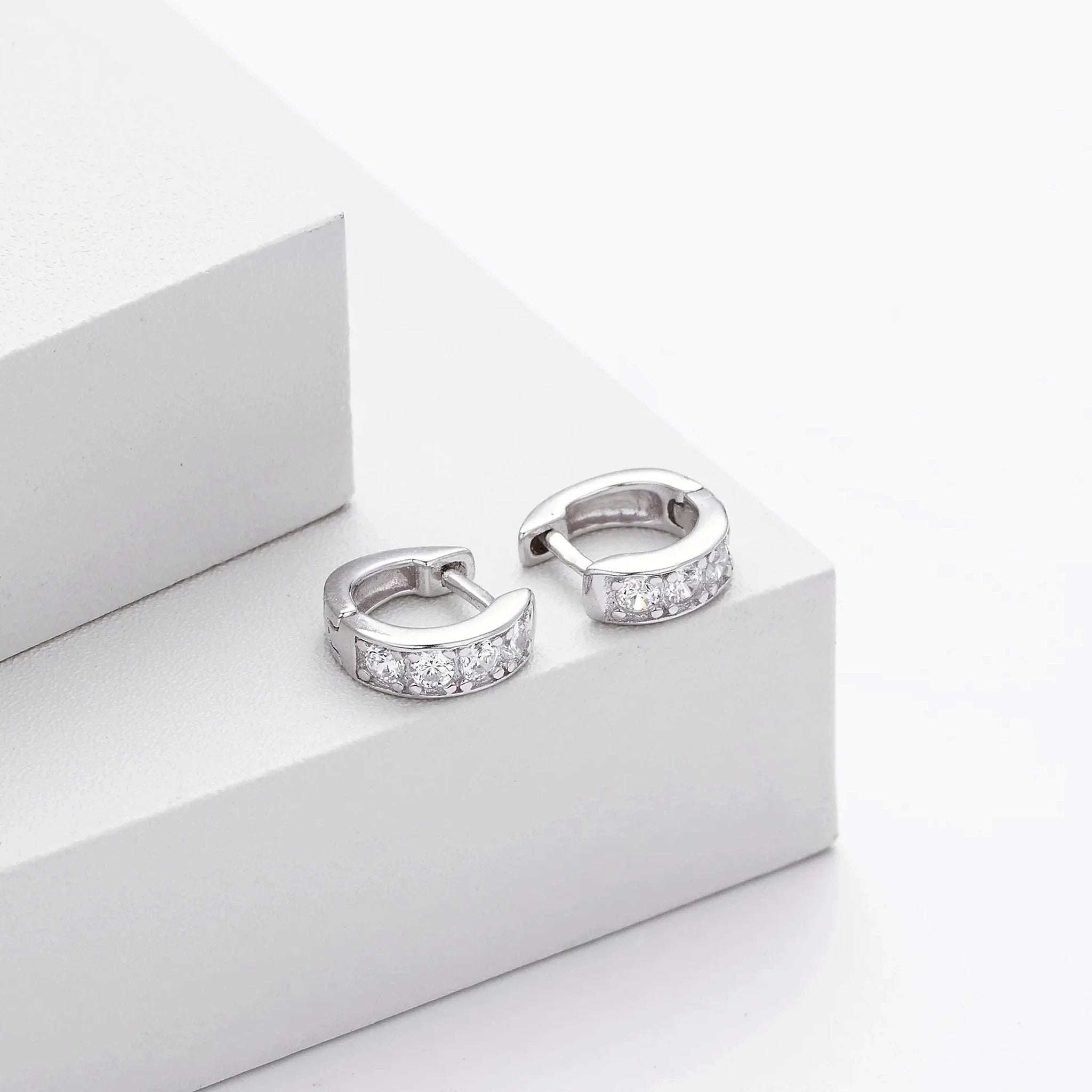
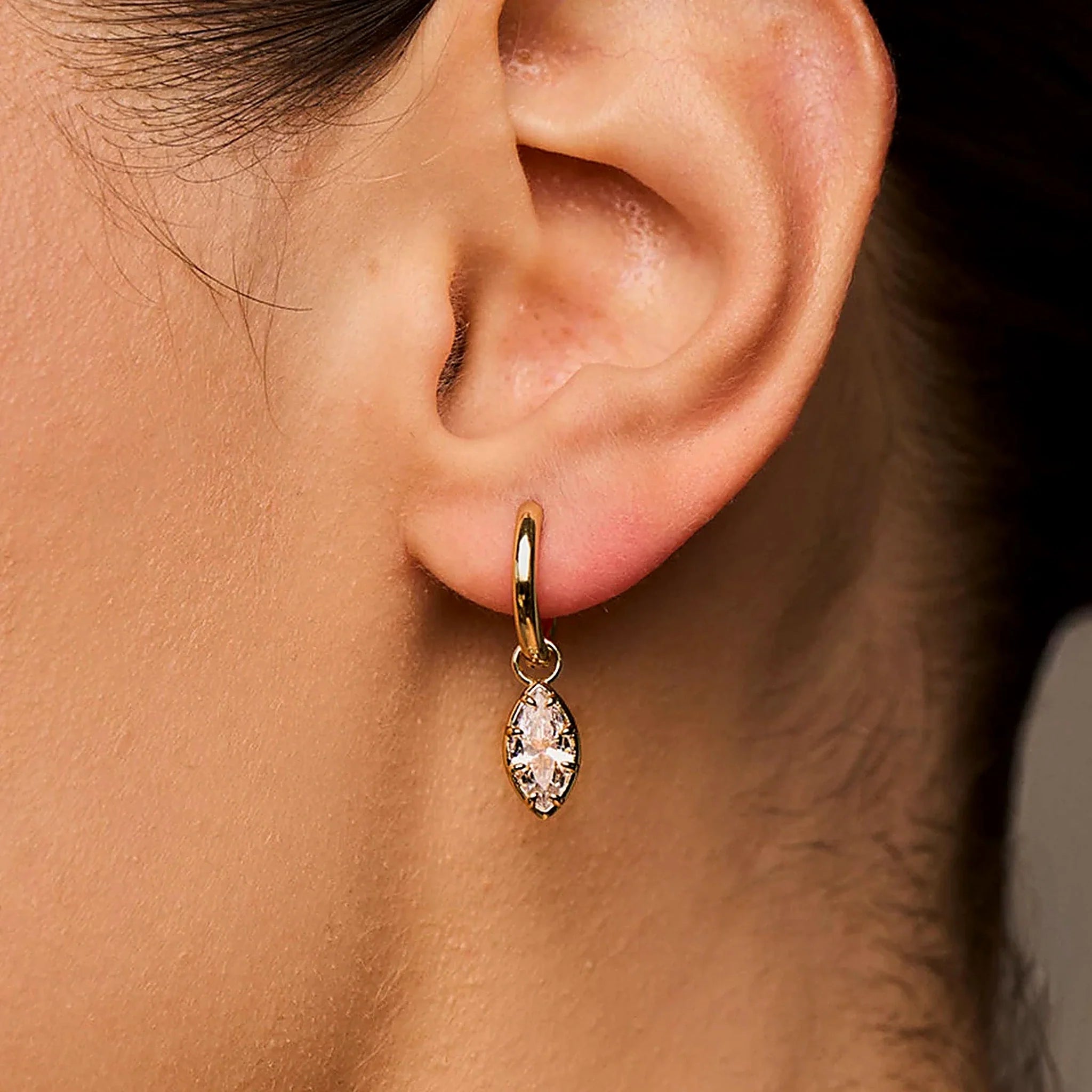
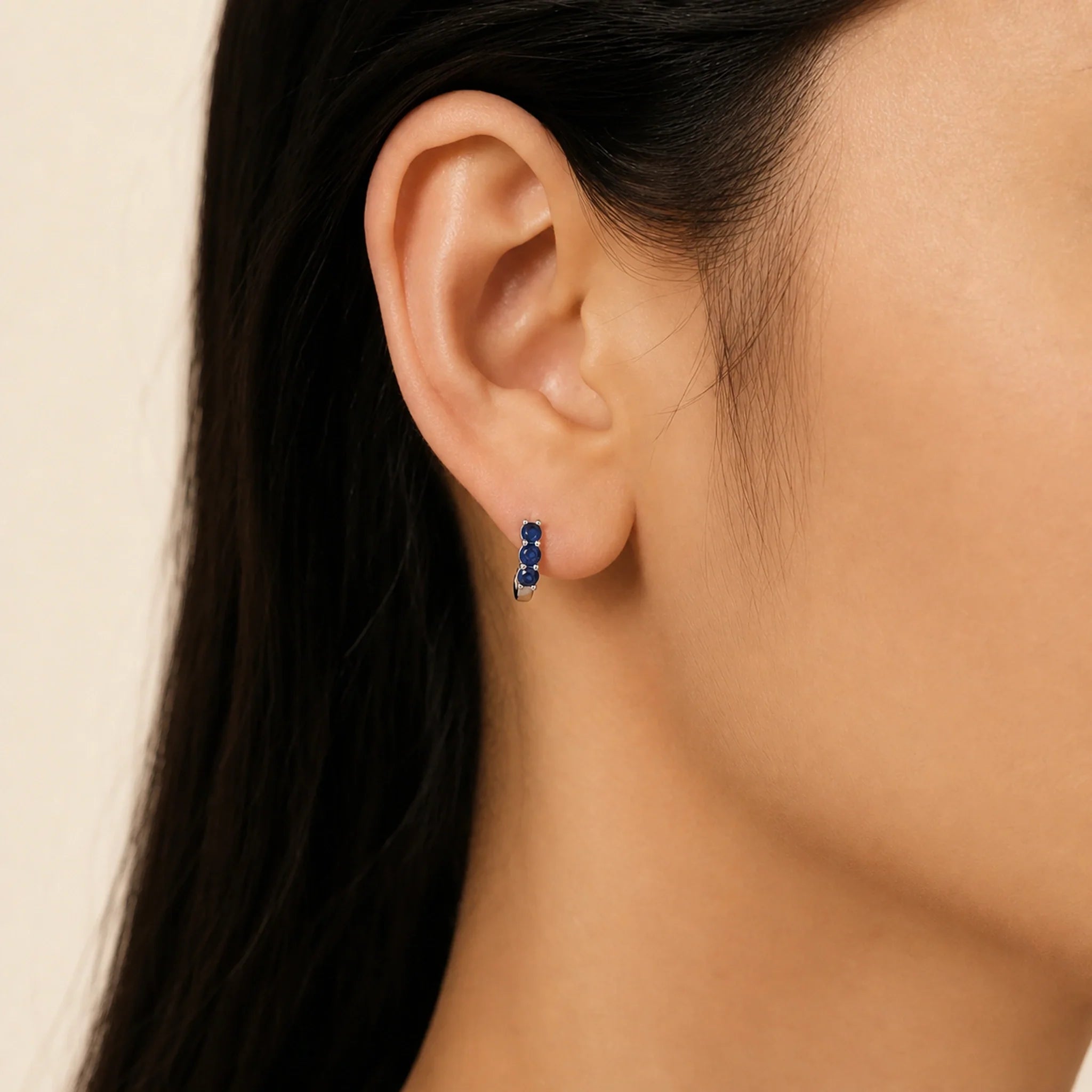
Small pavé huggies create an even line of light close to the ear. Solitaire drops give one stone room to move. Floral and starburst settings use several smaller stones to create texture.
The Liora CZ Blossom Chain Drop Earrings combine a floral detail with movement, while the Ciela Beaded Pavé Huggie Earrings keep the sparkle closer to the lobe. Compare more shapes in the earrings collection.
How to clean cubic zirconia jewellery
Skin oils, lotion and soap can leave a film that softens the appearance of clear stones. After wear, wipe the piece gently with a clean, soft cloth. For deeper cleaning, follow the instructions for the complete piece because the base metal, plating, pearls or adhesives may limit which methods are safe.
Avoid abrasive powders, toothpaste and hard brushes. Do not scrape between stones with pins or sharp tools, as these can damage settings. Read the GOVAVI care guide before using water or cleaner.
Can CZ stones become cloudy?
Surface residue can make a stone appear dull or cloudy. Gentle, appropriate cleaning may restore brightness. Scratches, worn plating or a damaged setting require professional assessment rather than stronger home cleaning.
How should CZ jewellery be stored?
Keep pieces dry and separate. A stone-set earring can scratch a polished chain if both are loose in the same pouch. Fasten clasps, close huggies and place each piece in a soft compartment away from humidity and direct sunlight.
How to choose a CZ piece
- Check that the material is named clearly.
- Look at close photography of the setting.
- Compare stone size with the overall dimensions.
- Confirm the base metal and finish.
- Choose a scale that fits your daily wardrobe.
- Read care and returns information before purchase.
Quick answers
Is cubic zirconia suitable for everyday jewellery?
It is commonly used in everyday designs, but longevity depends on the setting, metal construction, care and level of wear.
Does bigger CZ mean better quality?
No. Size describes scale, not craftsmanship. Cut, polish, setting and proportion are more useful quality signals.
Can cubic zirconia be coloured?
Yes. CZ can be produced in a range of colours, which allows designers to create gemstone-inspired palettes without misidentifying the material.
Cubic zirconia works best when it is presented honestly and designed with restraint. Choose the silhouette first, then use the stone detail to decide how much light you want the piece to carry.

Leave a comment
This site is protected by hCaptcha and the hCaptcha Privacy Policy and Terms of Service apply.