
How to Care for Gold-Plated Jewellery
Gold-plated jewellery brings the warmth of gold to detailed, wearable designs. Its finish is created by applying a layer of gold over a base metal, so thoughtful care matters: the aim is to reduce moisture, chemicals and friction that can gradually change the surface.
You do not need a complicated routine. A few consistent habits will do more than aggressive cleaning or expensive home remedies. This guide covers what to avoid, how to clean plated pieces gently and how to store them between wears.
What is gold-plated jewellery?
Gold plating describes a gold layer applied to another metal. The base may be sterling silver, stainless steel or another jewellery metal, and the plating method and thickness can vary. Some pieces use PVD coating, a process designed to bond a coloured finish to the surface. The individual product description should always be your guide.
Gold-plated jewellery is different from solid gold. It can deliver a refined gold look, but its outer layer is a finish and can change with repeated exposure to water, chemicals and abrasion. Read our materials guide for the terminology used at GOVAVI.
Five habits that protect the finish
- Apply products first. Let perfume, moisturiser, sunscreen and hairspray dry before putting on jewellery.
- Keep it dry. Remove plated pieces before showering, swimming, using a sauna or washing with cleaning products.
- Reduce friction. Take jewellery off before exercise, sleep and activities that cause repeated rubbing.
- Wipe after wear. A gentle wipe removes skin oils and product residue before they build up.
- Store pieces separately. Individual pouches help prevent chains, stones and clasps from scratching one another.
How to clean gold-plated jewellery
For routine care, use a clean, dry, very soft cloth. Hold chains and delicate settings carefully and wipe without pulling or polishing hard. Avoid abrasive cloths, toothpaste, baking soda, metal polish and stiff brushes: methods intended for solid metal can wear a plated surface.
If a piece needs more than a dry wipe, check its care instructions first. Pearls, adhesives, porous stones and plated finishes can all respond differently to water and cleaners. When in doubt, use the least intensive method or ask a professional jeweller.
Can you wear gold-plated jewellery in water?
Occasional contact does not mean a piece is instantly ruined, but repeated water exposure can shorten the life of the finish. Chlorine, salt water, soap and hot water add further stress. The safest routine is to remove jewellery before bathing and swimming, then dry it promptly if it becomes wet.
How should plated jewellery be stored?
Choose a cool, dry place away from direct sunlight and humidity. Close necklace clasps before storage and lay chains flat or hang them separately to reduce tangling. Earrings can be fastened loosely through a soft holder so pairs stay together without pressure on the posts.
Avoid leaving jewellery loose on a bathroom shelf. Bathrooms change temperature and humidity frequently, while exposed surfaces collect product spray and dust. A lined jewellery box or soft pouch is a better everyday home.
Why does plating change over time?
Plating sits at the surface, so wear is influenced by frequency, friction, environment and skin chemistry. Rings and bracelets often meet more surfaces than necklaces or earrings. That does not make them poor choices; it simply means their finish may require more careful handling.
When shopping, consider where and how you will wear the piece. A special-occasion design may face less contact than a daily bracelet. For frequent wear, prioritise clear material information, secure construction and a design you will genuinely care for.
How to build a lower-maintenance routine
Keep a soft cloth beside your jewellery box so wiping pieces becomes automatic. Create a small tray for items you remove before showering, but return them to dry storage afterwards. When travelling, use separate compartments rather than one shared pouch.
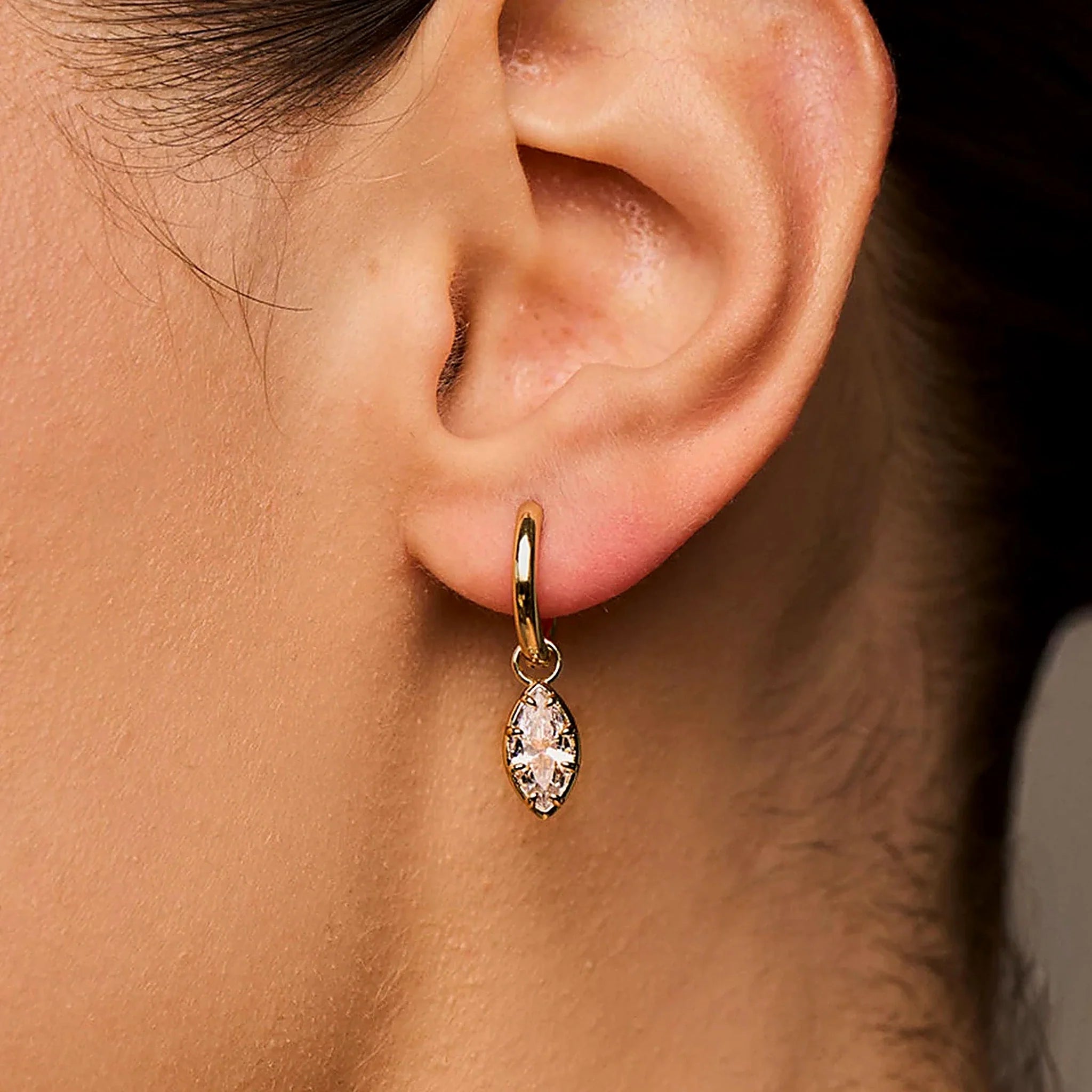
Our detailed care guide gives material-specific advice. You can also explore gold-tone earrings and necklaces, checking each product page for its exact base metal and finish.
Quick answers
Can perfume damage gold plating?
Repeated direct contact with fragrance and alcohol-based products can affect the surface. Apply fragrance first and let it dry.
Should I use a silver-polishing cloth?
Not on a gold-plated surface unless the manufacturer specifically recommends it. Some polishing cloths are mildly abrasive.
Can plated jewellery be replated?
Some designs can be professionally replated, depending on their construction and stones. A jeweller can assess the individual piece.
Good care is less about keeping jewellery untouched and more about wearing it thoughtfully. Gentle cleaning, dry storage and fewer chemical exposures help preserve the finish while letting the design remain part of everyday life.

Leave a comment
This site is protected by hCaptcha and the hCaptcha Privacy Policy and Terms of Service apply.